Welcome Home: Setting Up a Calm, Safe Space for Your New Dog (and Introducing Them to Your Resident Dog)
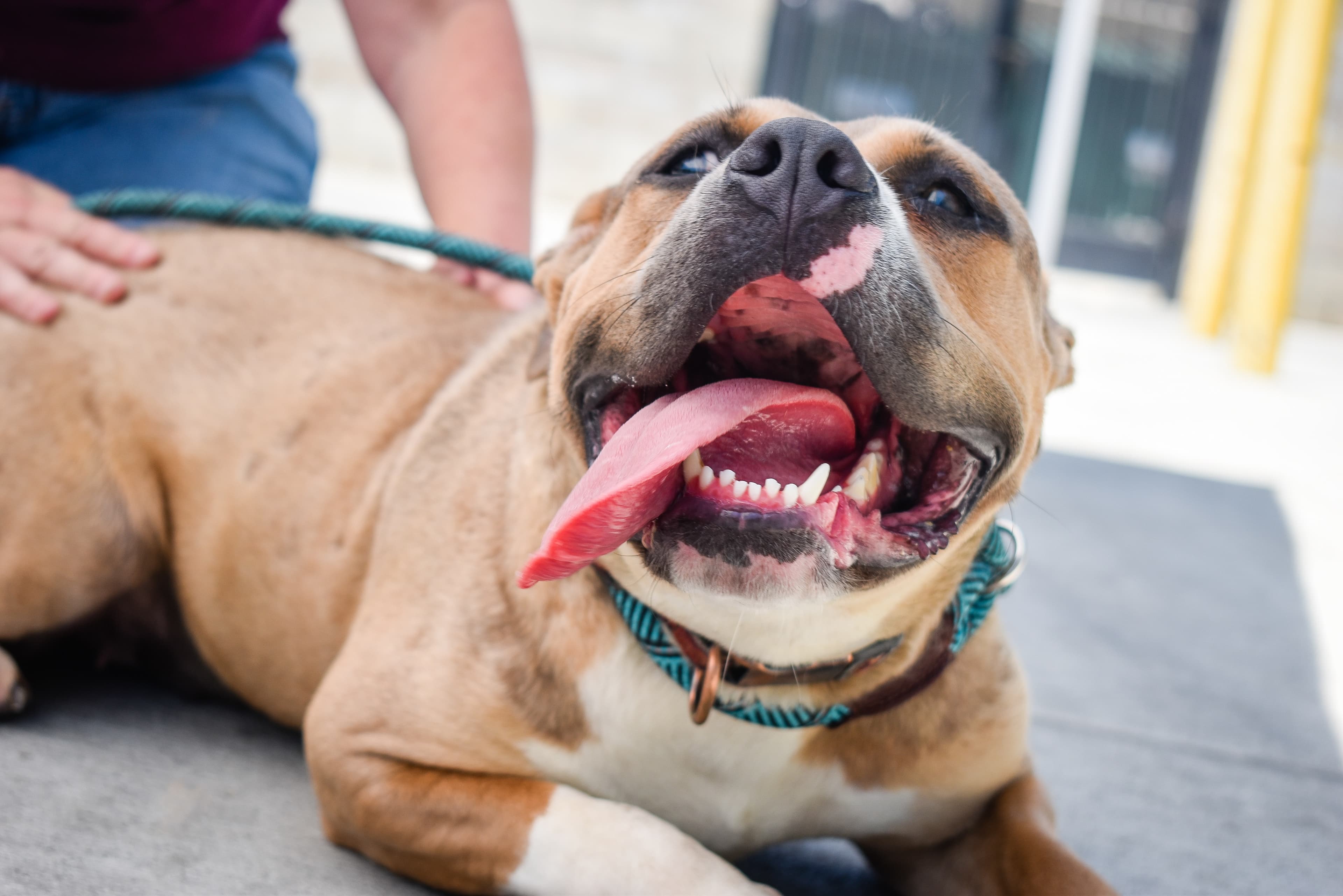
Bringing a new dog into your home is exciting, but a calm, well-prepared environment makes the transition smoother for everyone. Create a clear, comfortable space where your dog can settle, rest, and learn the household rhythm. A little planning reduces stress, speeds house training, and helps your resident dog accept the newcomer, if you have one.
Below is a simple plan with checklists and step-by-step guidance for setting up that space, what to have on hand, what to expect in the first days, and how to introduce a new dog if you already have a dog at home.
Arrival essentials checklist
- Collar with ID tag, leash, and harness.
- Microchip check or microchip appointment if not already done.
- Small supply of current food (if possible) and a plan to transition to your new food. Recommended transition plan:
- Day 1-3: 75% current (old) food, 25% new food
- Day 4-6: 50% old food, 50% new food
- Day 7-9: 25% old food, 75% new food
- Day 10: 100% new food
- Two sturdy bowls (water and food) and a slow-feeder bowl if needed.
- Bed or crate with a cozy blanket and a worn item that smells like you (crate should be big enough for the dog to stand, turn, lie down).
- A few toys: a durable chew, a stuffable KONG, and a comfort plush.
- Puzzle feeder or snuffle mat for enrichment and slowing eating.
- Treats for training and rewards.
- Crate pad or blanket with a worn item of your scent to make it welcoming.
- Baby gates or pens to block off areas and create a safe zone.
- Poop bags, grooming basics (brush, nail trimmers), and pet-safe cleaning supplies.
- Puppy pads if you’re not ready for full outdoor toileting
- A vet appointment scheduled within a few days for a wellness check and vaccination discussion.
Setting up a dedicated retreat area
Pick a quiet corner of a commonly used room rather than an isolated basement or garage. New dogs want to be near people but not in the middle of chaos. Place a comfortable bed or an appropriately sized crate (covered with a lightweight blanket to create a den feel) in that spot, and give the dog easy access to water and a few safe toys.
Make the space inviting with one or two comforting textures and things that smell like you. A worn T-shirt or towel with your scent can be soothing. Keep the area free of high-traffic or sudden loud noises, and avoid putting the bed right in front of a door that opens constantly. Use baby gates to let the dog see the family but keep them contained while they adjust.
Crate basics and how to use it well
Introduce the crate as a positive place, not a punishment. Start by placing treats, meals, or stuffed KONGs inside so the dog chooses the crate willingly. Keep initial sessions short and reward calm behavior when the dog goes in on their own. Gradually increase time with the door closed, never forcing the dog, and never use the crate for long periods. Never use the crate as punishment, and give frequent breaks for exercise, play, and bathroom trips, especially for puppies or anxious dogs.
What to expect in the first 48–72 hours
It’s normal for a new dog to be subdued, hide, not eat much, have accidents, or explore cautiously. Give them low-key attention and a predictable schedule of feeding, potty breaks, and walks. Avoid overwhelming introductions to many people or noisy gatherings; small, calm interactions are best.
When to call the vet: if the dog is vomiting repeatedly, has severe diarrhea, or has diarrhea for more than 48 hours (a new environment and new food can cause digestive upset), is extremely lethargic, has trouble breathing, or shows signs of pain, seek veterinary care right away. If appetite returns slowly or the dog is otherwise active and playful, that’s usually normal adjustment behavior.
Introducing your new dog to a resident dog: step-by-step
- Prepare ahead:
- Exchange bedding or toys between dogs for a day or two so each becomes familiar with the other’s scent. Keep resources like food, toys, and beds separate at first.
- Choose neutral territory:
- For the first face-to-face, go for a neutral outdoor space if possible. Walking both dogs in parallel, a safe distance apart, helps them associate each other with calm, pleasant activity. Keep both on leashes but loose enough that neither feels restricted.
- Parallel walk:
- Walk in the same direction, gradually closing distance if both dogs are relaxed. Cue and reward calm behavior with treats and praise. Avoid direct eye contact between dogs or forced face-to-face greetings.
- Short supervised meeting:
- When both seem comfortable, allow a brief sniff greeting while still on leash. Keep it calm and end the greeting on a positive note. If either dog shows stiff body, raised hackles, or intense staring, increase distance and try again later.
- Home introduction:
- Bring both dogs into the house together after a calm walk, and have the new dog go to their retreat area first so they can settle. Supervise all interactions closely for at least the first few weeks.
- Feed separately:
- Feed dogs in separate rooms or behind baby gates until you’re confident they won’t guard food. Remove high-value toys or supervise if toys are left out.
- Equal attention:
- Make extra time for your resident dog so they don’t feel replaced. Reward good behavior from both dogs.
Signs of healthy social adjustment versus trouble
Normal: short growls or “correction” noises, brief disputes over space that resolve quickly, parallel calm resting, play bows, loose body language.
Concerning signs: sustained stiff posture, prolonged growling or snarling, snapping or biting, one dog continually pinned or avoiding the other, repeated resource guarding where the dog won’t let you approach their food or bed. If you see worrying behaviors, separate them, reintroduce more slowly, and consult a certified trainer or behaviorist.
Managing resources and preventing conflict
- Feed in separate areas and remove bowls when finished.
- Put high-value chews or puzzle toys in different rooms.
- Create multiple resting spots so dogs can avoid each other if desired.
- Use baby gates to give dogs measured, predictable access to parts of the home.
- Never force interactions; let them approach on their terms and reward calm behavior.
Daily routine and enrichment
A consistent routine calms dogs quickly. Plan for regular potty breaks, play and training sessions, and daily walks. Mental exercise like treat puzzles, short training sessions, and varied sniff walks helps reduce unwanted behaviors. Rotate toys so nothing becomes too high value and trigger guarding.
Safety and home-proofing
Remove toxic plants, secure electrical cords, and put garbage and human food out of reach. Make sure fences are secure if your dog will have backyard access. Keep small objects, medications, and foods like chocolate and xylitol locked away.
When to get professional help
If tension between dogs escalates or doesn’t improve after several weeks of careful management, consult a certified professional dog trainer or a veterinary behaviorist. Immediate help is needed if there’s biting, serious injury, or persistent severe anxiety in either dog.
When to get help
If there is serious aggression, repeated biting, or ongoing severe anxiety after a few weeks, reach out to a certified trainer or veterinary behaviorist. For immediate injuries, breathing issues, or other medical emergencies see your vet or an emergency clinic right away.
Quick timeline you can follow
- Before arrival:
- buy checklist items; schedule vet visit; set up retreat area; puppy proof/dog proof your home; remove toxic plants and human foods; secure cords, and keep garbage inaccessible. Check fences and make sure gates latch securely. If you travel, keep a list of nearby vets and emergency clinics.
- Arrival day:
- low-key, short exploratory periods, create comfort, keep routine calm.
- First week:
- establish feeding, walking, and potty routines; supervise all interactions; keep introductions slow.
- First month:
- continue supervised increasing freedoms, maintain enrichment, evaluate behavior and introduce more shared spaces if both dogs adjust well.
Setting up the right space and following a calm, consistent plan gives your new dog the best chance to settle in and helps your resident dog accept the newcomer. Take things slowly, watch body language, and remember that patience now avoids problems later. If you want, tell me the age and temperament of your new dog and your current dog’s style, and I’ll give a tailored step-by-step plan.
How Every Wag can help
Use Every Wag to set reminders for medications and appointments, log milestones, and track weight and body condition scores with the app’s charts. Store and share vaccination records and vet notes with caretakers, and log any behaviors or symptoms to show your vet or trainer. The AI product advisor can provide feedback on toys, crates, and food tailored to your dog’s age, breed, and gender.