Health Essentials for New Dogs: How to Talk Weight, Parasite Prevention, and Vaccines with Your Vet
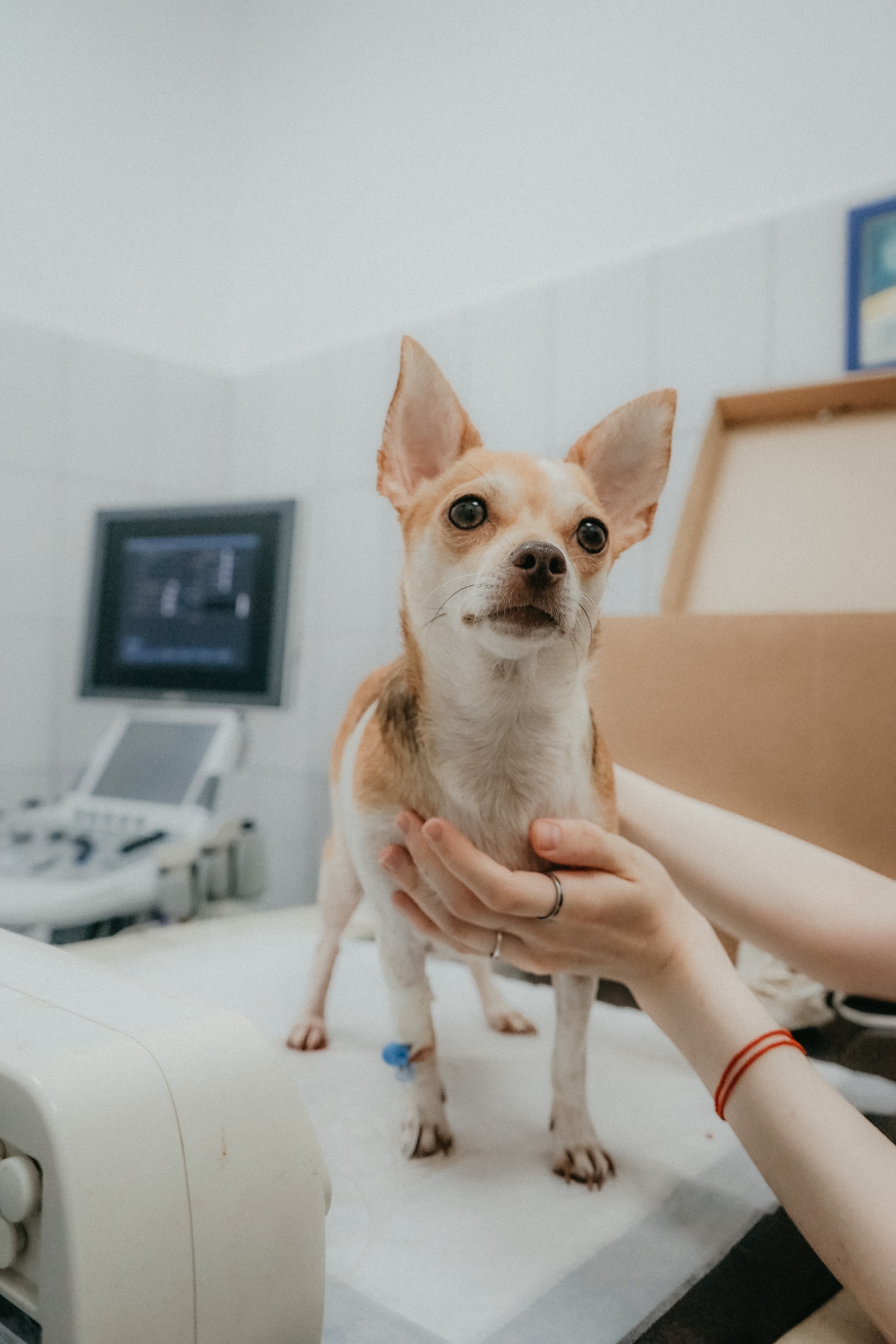
The first vet visit after bringing a new dog home is the best time to set and understand their health goals. Weight control, parasite prevention, and vaccines are foundational to a long, healthy life. Planning these with your veterinarian creates a tailored, realistic plan and helps avoid costly or dangerous problems later.
Why weight matters: Goals and tools
Carrying extra pounds shortens a dog’s life by up to 2.5 years and increases the risk of medical problems like arthritis, diabetes, and heart disease. Your vet will use a body condition score (BCS, usually 1–9) evaluation and a scale weight to set a healthy target. Puppies need careful monitoring to ensure they grow at the right pace; adult dogs need a steady, achievable weight-loss plan if overweight, usually aiming for about 1–2% body weight loss per week under veterinary supervision.
How to talk about weight with your vet
Bring your dog in for a focused weight consultation or include it in the first visit. Ask the vet to demonstrate the BCS on your dog, explain the ideal target weight, and write down a weekly weigh-in schedule.
Questions to ask about weight and diet:
- What is my dog’s current BCS and target BCS?
- How many calories per day should I feed to reach the goal?
- Is the current diet appropriate? Should we switch to a therapeutic or weight-loss formula?
- How often should we recheck weight and adjust the plan?
Practical weight-management steps you can start at home
Measure food with a kitchen scale or precise measuring cup, cut treats, and replace table scraps with low-calorie rewards like carrot sticks or pieces of apple. Increase daily activity gradually, shorter, more frequent walks and play sessions are better than an abrupt jump in exercise. Keep a diary of food and activity or use an app, and schedule regular weigh-ins at the clinic or at home on a reliable scale.
Tip: Use Every Wag’s nutrition calculator to get calorie and portion recommendations based on age, activity, and body condition, and log weigh-ins in the app to see trends.
Microchipping: Identification That Protects Your Dog
Microchipping is one of the simplest, most effective ways to ensure your dog can be identified and reunited with you if they ever become lost. A microchip is a tiny, permanent form of ID implanted just under the skin, usually between the shoulder blades. It carries a unique number that links to your contact information when scanned by a vet or shelter.
Even if your dog wears a collar and tag, microchips provide a critical backup, collars can fall off, but a microchip is always with them.
What to ask your vet about microchips:
- Can I get my dog microchipped during the visit if they don’t have one?
- Has my dog already been microchipped (many shelters and breeders chip puppies before adoption)?
- Should we scan the microchip today to confirm it’s working?
- What is the microchip number and manufacturer?
What to do with your dog’s microchip information
- Register or update your contact information in the company’s database or one of the free databases.
- Write down your microchip number and the company website to update your information if needed.
Keeping your microchip information up-to-date and easily accessible ensures the fastest possible reunion if your dog ever goes missing.
Tip: Microchip numbers are easy to lose, paperwork gets misplaced, and different clinics may use different systems. Every Wag lets you securely store the number directly in your pet’s profile so you can access it instantly during emergencies, travel, or vet visits. You can also upload your adoption or microchip registration documents for safekeeping.
Why parasite prevention is essential
Internal and external parasites cause illness for dogs and can be zoonotic, meaning they can infect people. Heartworm, intestinal worms (round, hook, whip, tapeworm), fleas, and ticks are the common threats. Control prevents disease, reduces environmental contamination, and often protects other pets in the household.
What to do before the vet visit (good to bring)
- Any medical or vaccine records from shelters or rescue groups, including your microchip number.
- A fresh stool sample (if possible; many clinics will accept one collected within 24 hours).
- A list of current or recent parasite preventives, flea/tick products, or other medications.
- Notes about your dog’s lifestyle: mostly indoors, frequent dog park use, travel plans, or exposure to wildlife.
Parasite testing and prevention your vet will discuss
Expect a fecal exam to check for intestinal parasites and a heartworm antigen test in dogs older than about 6–7 months or before starting adult heartworm prevention if prevention history is unknown. Your vet will recommend a heartworm preventive (monthly oral/topical or injectable options) and a flea/tick product based on your dog’s weight, age, breed sensitivities (for example, some herding-breed sensitivities to certain drugs), household pets, and local parasite risks.
Questions to ask about parasite prevention:
- Do I need a heartworm test before starting preventives?
- Which preventative products do you recommend and why?
- Are there any safety concerns regarding potential parasites for my other pets or children?
Tip: Keep track of your preventative care schedules for all your pets in every wag, with simple event scheduling and reminder notifications to never miss dose.
Seasonal and environmental strategies
Year-round heartworm prevention is recommended in most areas because mosquitoes can be present anytime; flea and tick prevention may be year-round or seasonal depending on where you live. Ask about environmental control, treating the yard, washing bedding, grooming after walks, and checking for ticks after outdoor time. If you travel with your dog, discuss different parasites in the places you’ll visit.
Vaccines: core, non-core, schedules, and concerns
Core vaccines protect against diseases every dog risks: canine distemper, adenovirus (hepatitis), parvovirus (commonly given together as DHPP), leptospirosis, and rabies. Non-core vaccines depend on lifestyle and geography: bordetella (kennel cough), Lyme disease, and canine influenza among others. Puppies typically receive a series of DHPP at 6–8, 10–12, and 14–16 weeks, with rabies and leptospirosis around 12–16 weeks, while adult dogs get boosters based on prior vaccinations and local regulations.
Questions to ask about vaccines
- Which vaccines does my dog now need based on age and region?
- Does your dog’s lifestyle (boarding, grooming, dog parks, hunting) make any non-core vaccines advisable?
- Which vaccines does my dog need now and which are optional based on lifestyle?
- What is the legal requirements for rabies in your area
- What is the vaccine schedule and how long until a booster is needed?
- If you are vaccine hesitant
- Can we use titers instead of boosters for some diseases?
- What brands or vaccine types do you use and why?
What to expect at the visit and after vaccination
At the appointment expect a full physical exam, weight and BCS assessment, fecal and heartworm testing if indicated, and discussion about vaccines and preventives. After vaccination mild, short-term reactions are common: soreness at the injection site, mild fever, or sleepiness for 24–48 hours.
Serious allergic reactions are rare but can occur; plan to stay at the clinic for 10–30 minutes after vaccination if possible and call your vet immediately if you see facial swelling, persistent vomiting, difficulty breathing, or collapse.
Costs, prioritization, and alternatives
If budget is a concern, ask your vet to prioritize: heartworm testing and prevention, fecal testing and deworming if positive, and core vaccinations usually top the list. Some clinics offer wellness plans or bundled pricing for preventative care. Discuss titer testing as an alternative to automatic revaccination for non-rabies vaccines, but know rabies often requires vaccination by law.
When to follow up and how to keep a plan on track
Ask for a written plan with timelines: when to recheck weight, dates for repeat vaccinations or boosters, when to repeat fecal exams, and reminders for monthly preventives. Schedule a recheck for weight and BCS in 4–8 weeks during a weight-loss program. Sign up for clinic reminders or use smartphone reminders for monthly preventives and annual visits.
Follow-up, tracking, and keeping the plan on schedule
Ask your vet for a written plan with dates for rechecks, boosters, and repeat tests. Use Every Wag to set reminders for monthly preventives, vaccine boosters, and scheduled weigh-ins. Log symptoms and behaviors in the app so you can show trends to your vet at follow-ups.
Red flags and when to call the vet
Call the clinic if your dog has repeated vomiting, severe diarrhea, extreme lethargy, collapse, or signs of anaphylaxis after a vaccine or medication. If parasite signs appear, visible worms in stool, a sudden heavy flea infestation, or Lyme/ tick-borne symptoms such as lameness or fever, contact your vet promptly.
- What is my dog’s current BCS and ideal weight?
- How many calories per day should I feed to reach that goal or maintain their weight?
- Is their diet appropriate or do you recommend another food?
- When should we recheck weight and adjust the plan?
- Do I need a heartworm test before starting preventives?
- Which preventative products do you recommend and why? And how often are they given?
- Are there any safety concerns regarding potential parasites for my other pets or children?
- Do we need to follow up on parasite prevention and adjust our plan?
- Which vaccines does my dog need now and which are optional based on lifestyle (boarding, grooming, dog parks, hunting)?
- What is the vaccine schedule and when are boosters needed?
- What is the legal requirement for rabies in our state?
- What side effects should I expect and when should I call you?
- Can I have a written schedule with dates and dose names?
- Can you check to see if my dog is microchipped or confirm it’s working?
- What is the microchip number and manufacturer?
Bringing your new dog’s records to the first visit, being honest about lifestyle and budget, and asking these targeted questions will give you a clear, practical plan. Your vet is your partner, ask for a written schedule, dose names, and dates to keep everything organized. With a plan in place for weight goals, parasite prevention, and vaccines, your dog will be healthier and you’ll have peace of mind.
How Every Wag can support your plan
Use Every Wag’s health charts to track weight and body score over time. Set event reminders for preventives and vaccine boosters, store medical records, and share veterinary notes with family or sitters. Try the AI product advisor if you want help choosing a parasite preventive or food that fits your dog’s age, breed, and activity level.